Jump to content
View in the app

A better way to browse. Learn more.

கருத்துக்களம்

A full-screen app on your home screen with push notifications, badges and more.

To install this app on iOS and iPadOS
  1. Tap the Share icon in Safari
  2. Scroll the menu and tap Add to Home Screen.
  3. Tap Add in the top-right corner.
To install this app on Android
  1. Tap the 3-dot menu (⋮) in the top-right corner of the browser.
  2. Tap Add to Home screen or Install app.
  3. Confirm by tapping Install.

நன்னிச் சோழன்

கருத்துக்கள உறவுகள்+
  • Joined

  • Last visited

Everything posted by நன்னிச் சோழன்

  1. Note: Plz click on the image for better quality Number Class Name IBM/OBM (No. of Engines) Image Craft Names (discovered so far) Total built Note Remote Control Vessel 1 (Class Name lost in time) Unknown Not available Unknown At least 1 - It was used at least once, in March 2009, according to a Sea Tiger Lt. Col. ranked cadre from whom I obtained the information when I was inside the Mullivaikkal in 2009.
  2. முல்லை கத்தோலிக்க பிற.பத்திநாதன்
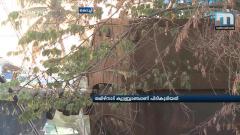
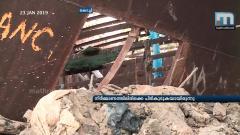
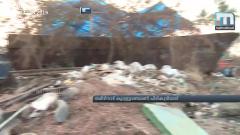
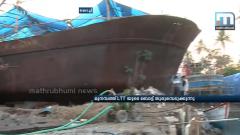
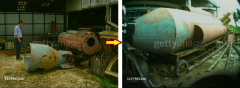
  3. Note: Plz click on the image for better quality Number Class Name Subclass IBM/OBM (No. of Engines) Image Craft Names (discovered so far) Total built Note Logistics boats 1 (Class Name lost in time) - OBM (up to 4) Anpumaaran At least 2 - Used for solely armed personnel transport on sea and river. 2 Thirukkai - OBM (2) Deesal 5 (Looks similar to Vellai class, but different.) - They were used as personnel and logistic transportation crafts from North TE to South TE and vice versa - Also used as attack crafts, especially during the 2nd Eelam War. - During wartime, they were fitted with rams and explosives to destroy their cargo in emergencies, but were never used. 3 Vellai - OBM (2) Bow hull view: Outer View: Inner View: An upgraded version (cabin had glass) was used in the 4th Eelam War: Colins, Vinoth, Theepan, Tharsan, Makesvari, Vaaman, Lakshman, Nalayini, Mangkai, Annachchi 9+ (Another 2 were captured before procuring to TE.) - Primarily used for logistics (5 tons) and midsea transfer. - Secondarily, often as a bomb-laden craft. - The first Vellai-class boat was captured in Dec 12/13 1990 in Pinang, Malaysia; two with 3×150HP engines were seized during the MV Sun Bird arrest. 4 Kfir (Subclass name lost in history) OBM (2) (Craft name lost in time) At least 1 - Used to carry stripped equipment from enemy vessels and for mid-sea transfer. 5 (Class Name lost in time) - OBM (3) (Craft names lost in time) 2 - Used to carry 2 Tons of cargo or Personnel. Length: 31.3 feet Width: 7.5 feet 6 Wave Rider Kumudhan IBM (3) View from stern: View from bow: Image credits: Nane Chozhan. Kumudhan and Irumporai 2 - Used for logistic transfer (These 2 images were created using different screenshots from videos .) 7 Mirage - OBM (4) Rakini, Chiththiraa, Ilangkeesvaran, Sengkodi, Kaamini, Ilanthaarakai, Muththumani 7 - These boats (OBMs) could carry up to 4,000 kg of cargo or 40 armed personnel, along with the boat’s main and rear weapons. IBMs carry fewer compared to these. - During wartime, they were fitted with rams and explosives to destroy their cargo in emergencies, but were never used. - Kaamini and Ilanthaarakai are command vessels, and each boat is armed with 2x twin-barreled 14.5mm and 2x .50mm. - Sengkodi was the first vessel of this class to be commissioned, in 1996 Length: 37 feet Breadth: 8.9 feet IBM (2 x 496 HP) with 4 1000-litre diesel tanks Nathiyarasi, Theekkathir 3 OBM (4) Stearn: (craft name lost in time) 1 - A specially designed, same-shaped (but shorter length on the stern), Miraj-class boat for an unknown intent. Length: 30 feet Breadth: 8.9 feet 8 Mostly procured from outside the LTTE-controlled areas. Thus, class names are lost in history - IBM (2/3) Kadalpuraa Unknown These are fishing trawlers of different sizes and shapes. - Used for logistics transfer from ships to shore and shore to shore - Also used for offshore fishing, where they fish and sell it to the Tamil fishermen for lower prices in case they cannot go fishing due to the Sinhala navy blockades. Tongnova (craft name lost in time) Maruthu Anthoni 9 (Class Name lost in time) - OBM(3) (craft name lost in time) 1 Operated from the 2nd Eelam War onwards. - Used for personnel transportation between TN and TE. Number Class Name IBM/OBM (No. of Engines) Image Craft Names (discovered so far) Total built Note Logistics boats - Under Construction (Outside of de-facto Tamil Eelam) 1 (Class Name lost in time) IMB (Unknown) Bow: Stearn: (Craft name lost in time) At least 1 - This was made of special steel - Seized at Munambam yard, Kochi, Kerala, on March 4, 2008, by Q-branch police of TN Length: 72 feet Number Class Name IBM/OBM (No. of Engines) Image Craft Names (discovered so far) Total built Note Logistics Boat - Under Construction - Inside Tamil Eelam 1 Not named OBM (3x250 Hp) Not named 1 Intended to be used for midsea transfer.
  4. சுகன்யா தரைத்தாக்குதல் அணியின் அதிகாரிகளில் ஒருவரான அமரர் மலர்விழி
  5. கடற்புலிகளின் சிறப்புக் கட்டளையாளர் பிரிகேடியர் சூசை
  6. திருக்கை வகுப்புப் படகு
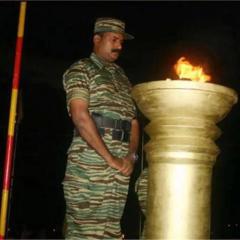
  7. சாள்ஸ் அன்ரனி சிறப்புப் படையணியினரின் நினைவு மண்டபம் இதுக்குள்ளை நான் போனனான். சாள்ஸ் அன்ரனி சிறப்புப் படையணியின் மண்டபத்தில் இருந்த ஓவியம்
  8. லெப். கேணல் கங்கையமரன் நினைவு மண்டபம் கிராஞ்சி, மன்னார் படிமங்கள் திறப்பு விழாவின் போது எடுக்கப்பட்டவையாகும்.
  9. லெப். கேணல் சாள்ஸ் நினைவு மண்டபம் அம்பலவன் பொக்கணைச் சந்தி, முல்லை 11/03/2004 படிமங்கள் திறப்பு விழாவின் போது எடுக்கப்பட்டவையாகும்.
  10. Note: Plz click on the image for better quality The supply and logistics boats are called 'Viniyoka Vandi' (meaning: a Sanksrit origin word meaning Distribution Wagon) in Tamil by the Sea Tigers. The logistics were nicknamed 'Thiraviyam' (meaning: a Sanskrit origin word meaning Things) Number Class Name IBM/OBM (No. of Engines) Image Craft Names (discovered so far) Total built Note Supply Boats 1 Sakadai OBM (2) Another boat named "Oviya": Nedumaaran, Chengkannan, Oviya 6 - Used to deliver ammunition and other essential supplies to the combat craft during naval battles. - Move equipment from one shore to another.
  11. லெப் கேணல் நிரோஜன் நினைவு மண்டபம் 27/9/2003 'அதை திரு செழியன் அவர்கள் திரைநீக்கம் செய்து வைக்கிறார்'
  12. Note: Plz click on the image for better quality Number Class Name Subclass IBM/OBM (No. of Engines) Image Craft Names (discovered so far) Total built Note Fast Inshore Attack Boats 1 Kuruvi OBM (1) Kumarappaa, Pulendran, Abdullah, Nalan, Jeevaa 11 - The first manufactured class of boats in the de facto Tamil Eelam - In the early stages, they were for personal transfer and later converted to attack boats. - Kumarappaa and Pulendran were later used as inshore bomb-laden vessels. 2 Super Sonic (Subclass Name lost in time) OBM: 1x200 hp - 1 gun 2x200 hp - 2 guns Sithamparam, Jeyanthan, Rakuvappaa 4 - Sri Lankan Navy’s Cedric class boats were manufactured based on this class’s design. (subclass Name lost in time) OBM (1) Modified to be an explosive-laden vessel: (Craft name lost in time) At least 1 - In the early stages, this was used for attacks and later converted into an explosive-laden vessel. 3 (Class Name lost in time) OBM (2) (Craft name lost in time) At least 1 - Used mainly during the 2nd Eelam War. 4 Sudai OBM (2) Stearn: Kathiroli 5 - These were the earliest class of larger fighter boats produced by the LTTE in the de facto Tamil Eelam. - The first boat was commissioned in 1994, built by Mangkai Boat Building Yard. Its image is provided in the image column, but the craft name of the first boat is unknown. Length: 40 feet - Used mainly during the 2nd and 3rd Eelam War. One of these boats was used as a bomb-laden craft in 1998 due to an emergency.
  13. ஆகாய கடல் வெளி நடவடிக்கை நினைவாலயம் கண்டி வீதி, கொடிகாமம் "எதையும் தாங்கிடும் இதயம் உடையவர் - தமிழர் அதை மறவோம்" - தருமம் ஒருநாள் ஆ.கா.வெ. சமர் புலிகளின் வரலாற்றிலேயே ஒரு கண்திறப்புச் சமராகியது. அன்றைய பின்னடைவின் பாடங்களே பின்னாளைய பல வெற்றிகளுக்கு காரணமாகியது. இந்தச் சமரில் உப்புக்காற்றின் அடிமை விலங்குடைக்க உயிரீந்த 602 தமிழீழ விடுதலைப் போராளிகளுக்கு யாழில் ஒரு நினைவு மண்டபம் விடுதலைப் புலிகளால் கட்டப்பட்டது. இந்த நினைவு மண்டபத்தின் சுவர்களில்(உள் & வெளி) ஆ.கா.வெ. நடவடிக்கை மாவீரர்களின் திருவுருவப்படங்கள் மாட்டப்பட்டிருந்தன, தொகுதிகளாக. இந்நினைவு மண்டபமானது 1993/07/31 அன்று தமிழீழ புலனாய்வுத்துறைப் பொறுப்பாளர் பொட்டம்மான் (மாவீரர்) அவர்களால் திறந்து வைக்கப்பட்டது. கீழ்க்காணும் படிமங்கள் யாவும் அற்றைநாளில் எடுக்கப்பட்டவையாகும். 'தவிபு இன் அப்போதைய படைத்துறை துணைக் கட்டளையாளர் பிரிகேடியர் பால்ராஜ் அவர்கள் கொடியேற்றி வைக்கிறார்' அம்மான் 'பிரிகேடியர் சொர்ணம் அவர்கள் மாவீரர் நினைவுக்கல்லை திரை நீக்குகிறார்.' 'படிமத்தில் அந்த சுவரில் உள்ள மாவீரர் திருவுருவப்படங்களை கவனிக்குக. இது போன்று துமுக்கிகளை ஏந்திக்கொண்டிருப்பது அந்தக்காலத்து வேங்கைகளின் பாணியாகும்.'
  14. Note: Plz click on the image for better quality The Sri Lankan military referred to these boats as 'Inshore Patrol Crafts' when they were in their service. However, with the LTTE, they remained classified as Fast Gun Boats (FGBs) and were used in the same manner. Since these boats were captured from the Sri Lankan Navy, I have listed them separately. Number Class Name IBM/OBM (No. of Engines) Image Craft Names (discovered so far) Total built Note Inshore Patrol Crafts 1 K-71 OBM (4) Nimal 1 Captured from the Sri Lankan Navy by the Sea Leopards Team (Naval Commando unit of the Sea Tigers) on Feb 18, 1999, during a raid on the SLN Kilali base. 2 Water Jet (Nicknamed "Bus" by the Tamil and the Sinhala navy.) OBM (3) 1) Thanikaimaaran 2 All of which were captured from the SLN. By early 1994, Sea Tigers had 4 crafts. - Paamaa, commanded by Lt. Col. Maathavi, was the first of its class to sink, going down in Kankesanthurai port on July 16, 1995. Lt. Col. Maathavi was the special commander of the Sea Tigers' then women's division. - Cha###, commanded by Lt. Col. Nimal alias Nimalan, was the second to sink, during a naval battle at Chundikulam sea on March 30, 1996. Photographic evidence indicates that the remaining two were still operational during the historic Kudarappu Landing operation, which commenced on March 26, 2000, and engaged in it: 2) It had a 4-letter Tamil name beginning with “Cha” and was mostly painted in blue camouflage. IBM (2) 1) Paama. 2 2) Nee - 004
  15. அம்பாறை ஆழிப்பேரலை நினைவுச்சின்னம் சமாதான காலத்தில் கட்டப்பட்டது
  16. Note: Plz click on the image for better quality The fighting crafts of the Sea Tigers are called 'Sandai Vandi,' (meaning Fighter Wagon) in Tamil by the Sea Tigers. Number Class Name Subclass IBM/OBM (No. of Engines) Image Craft Names (discovered so far) Total built Note Fast Gun Boats 1 Wave Rider* (They had the Hard-Chine Planing Hull with different subtypes) Maathavi OBM: 4x250 hp 5x200 hp With Protective Bulwark: Paranthaaman, Maathavi, Aathimaan (Oscar), Maruthan, Thenmozhi 5 Hull sub type: Flared Deep V Hull with pointed bow Length: 54 feet Breadth: 10 feet - Among these, Aathimaan (Oscar) was a commanding vessel of the Sea Tigers. - Rosa’s name was written both in Tamil and English, respectively, on its hull with white paint Without Protective Bulwark: Isaiyarasi, Uthayachchelvi, Nedunchezhiyan, Ilanilaa, Kadalarasan 5 IBM (3) Without Protective Bulwark: Rosa 1 Veengkai OBM : 4x250 hp 5x200 hp With Protective Bulwark: Veengkai, Cheran, Mayuran 3 Hull sub type: Hybrid Hull Length: 54 feet Breadth: 11 feet - Indigenously produced Hull variant - Prasanth craft was used as a command vessel during offshore attacks. Without Protective Bulwark: Erimalai, Poork, Rajmohan, (female name ends with 'Vi' sound) 4 IBM (3) Clear image of the hull: Without Protective Bulwark: Vennilaa, Prasanth 2 Mathan OBM: 4x250 hp Traces of the original Wave Rider name and symbol could still be seen on the steersman’s cabin of the boat, which bore the name Indumathi. Without Protective Bulwark: Indhumathi, Kesavan, Mathan, Suhi, Aruna, Paarathithaasan 6 Hull sub type: Flam Deep V Hull Length: 13 m Breadth: ~10 feet - Kesavan was the third Wave Rider-class boat to be sunk at sea, on the night of October 7, 1999, along with its 13-man crew, which included then Sea Tigers deputy commander Lt. Col. Nirojan. - Mathan subclass is smaller in length and arms compared to the rest of the subclasses, making it the preferred subclass for transportation by trailer between the eastern and western coasts. (Subclass name lost in time) IBM (3) Bow view: Without Protective Bulwark: (Craft names lost in time) At least 1 Hull subtype: Flared Deep V Hull with blunt bow Length: Unknown Breadth: Unknown Varman OBM: 4x250 hp 5x200 hp As the cabin was removed "Wave Rider" name and symbol couldn't be seen in the craft named Varman Bow: Without Protective Bulwark: Varman At least 1 Hull subtype: Flam Modified V Hull Length: Unknown Breadth: Unknown 2 (Class Name lost in time) - OBM (3) Bow: Stearn: (The craft name is seen written on the hull, which is an indication that it was deployed in battles, but it is illegible.) At least 1 This is a high-speed trimaran-type attack craft. 3 Winner - OBM: 3x200 hp 2x250 hp Some of them had a cabin for the steerer. Sutharsan, Mathu, Karuvizhi 10 - These were designed to reduce the vulnerability of the enemy's fire during naval battles. Length: 34 feet Breadth: 8.9 feet - OBM: 2x250 hp Another clear image: 'This first version is smaller in size when compared to the later mass-produced versions' Parani 1 - A specially designed Winner-class boat, regarded as the first vessel of its class. 4 Vellai - OBM: 2x250hp Bow: Deck: (Craft name lost in time) At least 1 - It had a cathedral hull. - The difference between this vessel and the logistic-type Vellai-class vessel is that the side height has been reduced in the bow area. Wave Riders: * Wave Riders were the primary gunboats of the Sea Tigers after 1998. Though classified as Fast Gun Boats (FGBs) due to their reliance on machine guns, RCL and autocannons, the LTTE’s Wave Rider-class boats were offshore-capable. Some of these even fitted with an SPG-9 recoilless rifle (can be seen clearly on image 2). They fulfilled many of the operational roles typically associated with Fast Attack Craft (FACs), using wolfpack and swarm tactics and speed to offset their lack of missile systems. Image 1.1: The class name "Wave Rider" and its symbol are marked on the steerer's cabin on the craft named Maathavi. Image 1.2: The class name "Wave Rider" and its symbol are marked on the steerer's cabin of the craft named Cheran. Image 2: The Wave Rider class vessel of the Sea Tigers with an SPG-9 RCL on its deck. One of the two OBM subtypes within the Maathavi and Veengkai subclasses incorporated an integrated protective bulwark system to enhance crew survivability and operational efficiency. In contrast, the corresponding IBM variants of these subclasses did not feature a protective bulwark. This bulwark was built low enough to reduce the crew’s exposed profile, making them somewhat harder to hit while still giving them full access to operate the weapon effectively. This configuration provides ballistic and fragmentation protection against eye-level small-arms fire and shrapnel, while not restricting movement. At the bow side of the main gun of the Maathavi subclass, there was a half-moon-shaped raised guard, acting as a splash or splinter shield (see image 3). This gave the gunner extra protection from high-velocity impacts, spray when running at speed, and fragments from incoming rounds, while keeping the gun’s field of fire clear. Image 3.1: A clear inner view of a half-moon-shaped raised guard and bulwark on the bow of a Sea Tigers' Wave Rider class vessel. Image courtesy: Aruchuna Photography Unit of the LTTE. Image 3.2: A clear outer view of a half-moon-shaped raised guard, steel guardrails and anchor on the bow of a Sea Tigers' Wave Rider class vessel. Image courtesy: Aruchuna Photography Unit of the LTTE. On top of the bulwark, steel guardrails were fitted (see image 3.1). These served as grab rails and safety barriers, giving the crew something to hold onto during high-speed maneuvers or in rough seas. These also help to prevent accidental slips or falls overboard, even when moving at full speed during combat. Image 4.1: A clear inner view of the cabin of the "Indhumathi" vessel. The entrance to the bottom deck can be seen. Inside it, there were ammunition and other equipment for the crew. The cabins had one seat for the steerer to be seated. The cabin views can be seen in the images starting with series number 4. Image 4.2: A clear inner view of the cabin of a Wave Rider class vessel steered by female cadres. Additionally, rexine coverings were also fitted inside the cabin to protect essential equipment. These were folded when not required. Image 4.3: A clear interior view of the cabin of a Wave Rider–class vessel shows male cadres at the helm, including the steerer and the boat’s commanding officer. The cabin windows were fitted with a rexine-type protective sheet to shield against rain and water splashes. Some windows had both glass and rexines, like the one in Image 4.2. Inside the roof of the cabin, and outside the cabin on both flanks, there was a steel rod to hold onto while standing. The gun mounts were classified mainly into three categories: a large forward mount located at the bow for the primary weapon system, medium mounts designed for .30/.50-calibre and AGL guns, and smaller mounts intended for PK-type machine guns. Image 5.1: This image clearly shows a few types of gun mounts on the Wave Rider class boats and also the inner view of the cabin. But there are other types of gun mounts, too. The tools box for the engiens were located on the rear side. Image 5.2: Gun mount of an AGL. Image credits: www.army.lk Image 5.3: A gun mount stabilizer is used to maintain the weapon in a fixed and stable position during firing, minimizing recoil-induced movement and ensuring accurate, controlled fire. Image 5.4: A raised gunner’s platform is provided to allow personnel to stand and operate the weapon effectively. It features an access hatch that can be opened to enter the hull for maintenance or repairs when required. The first combat losses of the Wave Rider class occurred during the naval battle that began on the night of January 11, 1999. In the early hours of January 12, two Wave Rider–class boats—whose names remain unknown—were destroyed while escorting a supply convoy from Trincomalee to the Vanni. One, commanded by Lt. Col. Erimalai, was sunk off Kuchchaveli; the other, under Lt. Col. Aathimaan (Oscar), was lost off Pulmoddai. Including these two, the Sea Tigers operated a total of 30 Wave Rider–class Fast Gun Boats. Image 6: Sri Lankan Navy's Wave Rider class boats. Image courtesy: Sri Lankan Navy After salvaging the sunken Indumathi—a Wave Rider–class craft of the Mathan subclass—in Point Pedro around June 2007, the Sri Lankan Navy replicated the design and introduced their own version. This version was also named Wave Rider. These boats entered battlefield deployment by 2008. Although based on Sea Tigers’ designs, the Navy’s copies were technologically more advanced. They were powered by inboard motors and retained the distinctive half-moon–shaped raised guard at the bow, though its height was too short to provide real protection. Unlike the original, the stern and midsection of the hull lacked a bulwark. The SL Navy’s Wave Riders were also longer in length (13.7 m), like the Mathan subclass boats (13 m long). The overall deck structure closely resembled the mix of the UK’s Water Jet–class vessel and the Sea Tigers' Wave Rider-class vessel. *****
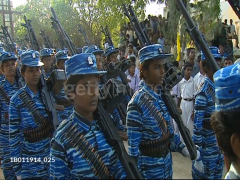
  17. Naval vessels of the Sea Tigers of Liberation Tigers of Tamil Eelam (LTTE) By: Nane Chozhan The Sea Tigers, the naval wing of the Liberation Tigers of Tamil Eelam (LTTE), functioned as a conventional maritime force rather than a guerrilla naval unit. At the outset of the Fourth Eelam War, the LTTE began officially referring to this formation as the “Tamil Eelam Navy” (தமிழீழக் கடற்படை / Tamiḻīḻak Kaṭaṟpaṭai), adopting a nomenclature parallel to that of their Tamil Eelam Air Force (TEAF). Emerging in 1984, the Sea Tigers initially focused on maritime trade, troop transfers, and naval mine operations, operating like a naval guerrilla unit while avoiding direct confrontation with the Sri Lankan Navy. By 1990, they began developing a wide range of small, fast, and heavily armed boats capable of outmaneuvering the larger vessels of the Sri Lankan Navy. Sea Tigers' fleet was organized into distinct classes with both inboard and outboard motor systems, and designs were constantly refined to meet tactical requirements. Unlike adapting civilian craft, the Tigers designed and built their vessels indigenously, including submarines, tailoring them for combat roles ranging from fast-attack craft to explosive-laden boats. Image 1: Sea Pigeons, along with Ground Tiger soldiers, are travelling by boat from India to Tiger-controlled territory on February 19, 1986. Captain Lingam is seated on the port-side gunwale of the boat. Image 2: Two Tiger soldiers stand guard on a shore while other Ground Tigers are being loaded into a small fishing boat by Sea Pigeons, 1986 Notably, from 1984 onwards, the LTTE’s naval wing operated under two main designations: the Sea Pigeons, responsible for maritime trade and transporting troops between India and Tiger-controlled areas of Tamil Eelam, and the Sea Tigers, tasked with naval mine operations. The wing officially adopted the name “Sea Tigers of Liberation Tigers” on September 19, 1991, although they were informally referred to as Sea Tigers throughout. The Sea Pigeons were later renamed and functioned within a unit called the Ship Unit (கப்பல் பிரிவு / Kappal Pirivu), which was part of the newly created Special Regiment (சிறப்புப் படையணி / Ciṟappup Paṭaiyaṇi) under Sea Tigers. A women’s division of the Sea Tigers was also established on March 1, 1992. Over the years, the Sea Tigers were further divided into multiple combat formations, each with its own flag (Refer to image below), reflecting their organized and hierarchical structure. The Sea Tigers also fielded a specialized sea-borne suicide force, known as the Sea Black Tigers, who carried out both inshore and offshore attacks against Sri Lankan naval vessels. Just like other Black Tigers, Sea Black Tigers' suicide missions were also honoured as 'Self-Sacrifices' (T. தற்கொடை/Taṟkoṭai) in Tamil wartime ideology. Their insignia differed from that of the regular Sea Tigers, marking them as an elite and distinct formation. These cadres operated in two domains: above-water and underwater, employing explosive-laden craft and swimmer-delivered attacks to sink or disable enemy ships. The first recorded above-water suicide attack occurred when 3 Sea Black Tigers - Major Kaantharupan, Captain Colins, Captain Vinoth - drove an explosive-laden craft into a surveillance command ship named Edithara off Valvettithurai, Jaffna, on July 10, 1990. The vessel was damaged and repaired later. The first recorded underwater suicide attack took place at the Kankesanthurai harbour in Jaffna on August 16, 1994, where the LTTE succeeded in sinking the ship A 516. The resulting fire spread to a nearby tugboat, Dheera, which was also destroyed. During this mission, Sea Black Tigers' underwater operative Captain Angkayarkanni was killed—an event remembered as the formal beginning of the Tigers’ underwater assault campaign. The Sea Black Tigers were originally classified into two groups: the Above-Water Attack Unit and the Underwater Attack Unit, a system that remained in place until 1996. After that, they were reorganized into two principal branches: Above-Water Attack Unit was divided into Pukazharasan Sea Black Tigers Team Sevvaanam Sea Black Tigers Team Underwater Attack Unit was divided into Sulojan Underwater Swimming Team (renamed Kangkai Amaran Underwater Swimming Team in 2008) Angkayarkanni Underwater Swimming Team The Sea Tigers’ combat record began even before the 1990s. Tamil sources note that on February 7, 1986, a Sri Lankan inshore patrol craft was damaged after hitting a sea mine between Karainagar Naval Base and Kankesanthurai. Less than a month later, on March 3, 1986, patrol boat Model 118 was sunk near the Nainativu jetty after the Tigers detonated a remotely controlled sea mine. From 1990 onward, such incidents multiplied, with numerous Sri Lankan naval vessels captured, damaged, or destroyed. The Sea Tigers’ first recorded underwater combat attempt took place on October 30, 1986, when they attempted to demolish a Sri Lankan naval craft anchored at Karainagar SLN base, Jaffna. However, the operation failed after the Tiger divers were spotted and killed by hurling hand grenades into the water. Two male Sea Tigers—Veeravengkai Sulojan and Veeravengkai Princely—were killed during the mission, and another operative, Chelva, returned to base after sustaining damage to his oxygen cylinder and goggles. The first successful underwater operation, though unofficial, came years later on 19 September 1994. On that date, a team of Sea Tigers' underwater swimmers led by Sea Black Tiger Major Paran, including operative Major Inpanila, successfully infiltrated and placed charges beneath the Sri Lankan naval vessel SLNS Sagarawardana. The attack disabled the ship’s propellers, marking the very first successful attack mission of the Sea Tigers' underwater unit. This attack later helped the Sea Tigers to sink the vessel. From the early 1990s onward, the Sea Tigers expanded their capabilities far beyond conventional patrols. They carried out amphibious warfare, arms procurement, large-scale fleet engagements, ground battles, fire support to ground troops, force protection, intelligence gathering, maritime patrols, naval boarding operations, and mid-sea transfers which lasted for days. Their repertoire also included raiding, special operations, tracking and underwater demolition. By combining indigenous naval engineering with an exceptionally wide operational scope, the Sea Tigers established themselves as one of the most innovative and effective de facto maritime forces in modern warfare. In addition to engaging Sri Lankan Navy vessels, the Sea Tigers occasionally hijacked or sank commercial ships that supplied goods and facilitated trade for the Sri Lankan government. These operations occurred between 1995 and 1999, during the Third Eelam War. After the Sri Lankan Air Force’s supply capability was disrupted by the shooting down of two Avros in Jaffna on April 28 and 29, 1995, LTTE Central Committee member Lawrence Thilakar stated in 1996 that the naval vessels involved in Sri Lankan supply lines would be considered a legitimate target both within and beyond the Sri Lankan state. Most of these actions focused on disrupting the Sri Lankan Army’s supply routes in Jaffna, while the remainder targeted commercial trade to weaken the government economically. These operations demonstrate that the Sea Tigers’ actions were primarily militarily motivated rather than conducted for profit or piracy. Their last recorded operation took place during the Battle of Kepapilavu on the early hours of May 17, 2009, when the Sea Tigers landed around 180 commandos near the lagoon shore in an attempt to break through the Sinhala Forces' defensive lines. This offensive operation was led by a Sea Tiger commander, Lt. Col. Sriram. The attack was repelled, resulting in a defeat and the sinking of one of their three small fishing vessels, along with a raft that had been attached to it to carry additional troops. Over the course of its operations, the Sea Tigers established themselves as a resilient and effective adversary to the Sri Lankan Navy, maintaining this reputation until their final defeat at Vella Mullivaikkal. Until November 20, 2002, a total of 1,066 Sea Tigers were killed in ground and sea operations. The following document compiles the different classes of Sea Tiger boats, organized by their design and operational role. It includes the main class names, known subclasses, details on whether they used OBMS (Outboard Motor Systems) or IBMS (Inboard Motor Systems), along with reference images where available. Notes are added for each class to highlight distinctive features, variations, and tactical use. The aim is to create a clear reference point for understanding the diversity and evolution of Sea Tiger naval craft. Note: For clarity and ease of editing, the document has been divided into several parts, although it was initially composed as a single continuous document.
  18. சொல்கிறேன் என்று தவறாக எடுக்க வேன்டாம்... தாங்கள் எழுதியுள்ள தமிழ் மொழிநடை எனக்கு விளங்கவில்லை...

Important Information

By using this site, you agree to our Terms of Use.

Configure browser push notifications

Chrome (Android)
  1. Tap the lock icon next to the address bar.
  2. Tap Permissions → Notifications.
  3. Adjust your preference.
Chrome (Desktop)
  1. Click the padlock icon in the address bar.
  2. Select Site settings.
  3. Find Notifications and adjust your preference.