

.jpg.e72237624df7c7661de9dab07f0b55d2.jpg)

நன்னிச் சோழன்
-
Joined
-
Last visited
Everything posted by நன்னிச் சோழன்
-

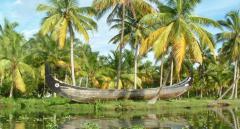
From the album: Different types of boats used by Tamils historically
-

From the album: Different types of boats used by Tamils historically
-
-
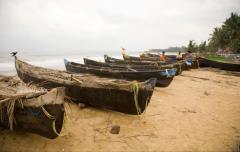
From the album: Different types of boats used by Tamils historically
-
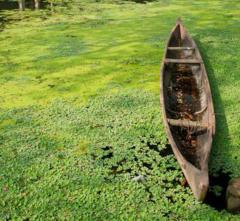
From the album: Different types of boats used by Tamils historically
-
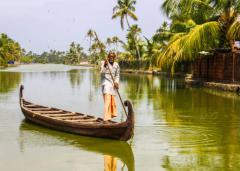
From the album: Different types of boats used by Tamils historically
-
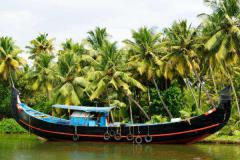
From the album: Different types of boats used by Tamils historically
-
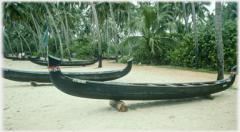
From the album: Different types of boats used by Tamils historically
-
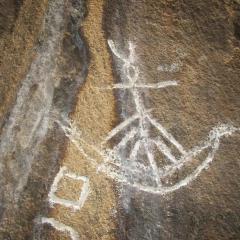
The etymology of the Sinhala word for outrigger vessels, 'Oruwa,' originated from the Tamil word 'Oruu.' The Sinhala author of the book 'ORU & the YĀTRĀ', Vini Vitharana, says that the Tamil language does not supply a parallel for this Sinhala word, and I highly disagree with his statement. The ORU & the YĀTRĀ by Vini Vithārana, Page 16 says: What I propose is that the Sinhala word Oruwa might have originated from the Tamil word Oruu. Image ss from Senthamizh Etymology Comprehensive Dictionary - O letter Series. Pages: 370,371 The Tamil Root: Oruu (ஒரூஉ) In Classical Tamil, the verb oruu means to be removed, to stay away from, or to set aside. In a broader Dravidian context, related roots often describe the act of "cutting," "parting," or "hollowing." Action: To carve out space by removing material. Connection: This matches the physical reality of creating a dugout (an Oruwa), where the core of the log is literally "set aside" or "separated" to create a hull. This Tamil word also refers to the actions of water. Oruwa (ඔරුව) The Sinhalese Oruwa refers specifically to the traditional outrigger canoe. While many Sinhalese maritime terms have Austronesian or Sanskrit influences, the basic word for the dugout hull itself often shares roots with South Indian languages due to the shared "Dravidian Substratum" in early Sri Lankan history. The Sinhalese term Oruwa likely shares a common linguistic origin with the Tamil root Oru (or Oruu). In Tamil, this root denotes the actions of separating, removing, or keeping apart. Etymologically, this maps perfectly to the construction of a dugout vessel, which is defined by the separation and removal of wood from a trunk to create a hollowed-out space. Given the long history of maritime exchange and co-existence between Tamil and Sinhalese speakers, the term reflects a shared technical vocabulary for wood-carving and boat-building. Comparative Context To strengthen this point, we can look at other related Dravidian words for boats: Oda/Odam (ஓடம்): A common Dravidian word for a boat or vessel, derived from the root odu (to move/run). Thoni (தோணி): Derived from the root meaning "to dig" or "to scoop out" (thondu). My theory follows the same logic as Thoni: the boat is named after the verb of its creation (to dig or to separate). Authored & Released by: Nane Chozhan
-
@goshan_che @Sasi_varnam @ஈழப்பிரியன் நீங்கள் மூவரும் கூறியதை வைத்து மாவீரர் பட்டியலினுள் தேடிப் பார்த்தேன். மொத்தம் 16 போராளிகள் புளட், இ.என்.டி.எல்.எஃவ்., மற்றும் ரெலோ ஆகிய தேசவிரோத கும்பல்களால் வீரச்சாவடைந்துள்ளனர். அவர்களில் புளட் என்ற கூலிப்படையைச் சேர்ந்தவர்களாலையே அதிகளவான போராளிகள் வீரச்சாவடைந்துள்ளனர். இவர்கள் அனைவரும் ஓகஸ்ட் 5ம் திகதி புலிகள் தமது ஆயுதங்களை ஒப்படைத்த பின்னரே - ஆயுதமற்றவர்களா பயணித்த போது - இவ்விந்திய கூலிப்படைகளால் தேசத்திற்கு விரோதமான முறையில் கொல்லப்பட்டனர். புலிகள் ஆயுதங்களைக் களைந்த பின்னர் இவர்களிற்கு இந்தியப் படையினர் ஆயுதங்களை வழங்கி புலிகளைக் கொல்ல தூண்டிவிட்டுள்ளனர். ஆக மொத்ததில் இந்தியா நரி வேலை செய்துள்ளது. இதையும் அறியாமல் இந்த இந்தியக் கூலிப்படைகள் தமது சொந்த இனத்தின் விடுதலைக்காகப் போராடிய வீரர்கள் ஆயுதமற்றவர்களாக இருந்தபோது கொன்றுள்ளனர். வெட்கித் தலைகுனிய வேண்டிய செயல்! இவர்களை பின்னாளில் புலிகள் வேட்டையாடியதில் எந்தத் தவறும் இல்லை. (இவர்கள் தவிர இன்னும் 6 போராளிகள் இதே காலகட்டத்தில் வீரச்சாவடைந்துள்ளனர். எனினும் அவர்களில் நால்வர் எதிர்பாராத வெடி நேர்ச்சிகளிலும் இருவர் தமிழீழக் கடற்பரப்பில் சிறிலங்காக் கடற்படையுடனான சமரிலும் வீரச்சாவடைந்துள்ளனர். மொத்தம் 22, ஈழப்பிரியன் அவர்களின் கணக்குச் சரியே.) இந்திய நரிவேலையால் மாவீரரான போராளிகள்: வீரவேங்கை யோகன் - 16.08.1987 வேப்பங்குளம் பகுதியில் புளொட் கும்பலுடன் ஏற்பட்ட மோதலில் வீரச்சாவு வீரவேங்கை அருச்சுனா, வீரவேங்கை ரஞ்சன், வீரவேங்கை கில்மன் - 26.08.1987 நானானட்டான் பகுதியில் புளொட் கும்பலின் வெறியாட்டத்தில் வீரச்சாவு வீரவேங்கை டென்சில் - 02.09.1987 பெரியபண்டிவிரிச்சான் பகுதியில் புளொட் கும்பலின் வெறியாட்டத்தில் வீரச்சாவு கப்டன் தனம், 2ம் லெப்டினன்ட் கண்ணன் - 04.09.1987 குருமன்காட்டுச் சந்தியில் புளொட் கும்பல் நடத்திய தாக்குதலில் வீரச்சாவு 2ம் லெப்டினன்ட் கைலை, வீரவேங்கை இரத்தினம் (சிவகுமார்) - 04.09.1987 பன்றிக்கெய்தகுளம் பகுதியில் புளொட் கும்பல் மேற்கொண்ட துப்பாக்கிச்சூட்டில் வீரச்சாவு வீரவேங்கை அமீர் (அமல்) - 07.09.1987 குளவிசுட்டான் பகுதியில் புளொட் கும்பல் மேற்கொண்ட துப்பாக்கிச்சூட்டில் வீரச்சாவு லெப்டினன்ட் கொலின்ஸ் (லூக்) - 07.09.1987 தம்பனை பகுதியில் புளொட் கும்பல் மீதான தாக்குதலின்போது வீரச்சாவு வீரவேங்கை ராஜேந்தர் - 12.09.1987 கிளிநொச்சி பகுதியில் ஈ.என்.டி.எல்.எவ் கும்பல் நடத்திய தாக்குதலில் வீரச்சாவு வீரவேங்கை அமலதாஸ் - 26.09.1987 ரெலோ கும்பல் மேற்கொண்ட துப்பாக்கிச் சூட்டில் வீரச்சாவு வீரவேங்கை தாஸ் - 02.10.1987 கற்கபுரம் பகுதியில் புளொட் கும்பலின் தாக்குதலில் வீரச்சாவு வீரவேங்கை பாபு - 07.10.1987 கற்கபுரத்தில் புளொட் கும்பல் மேற்கொண்ட தாக்குதலில் வீரச்சாவு 2ம் லெப்டினன்ட் விக்கி - 08.10.1987 10ம் வாய்க்கால் பகுதியில் ஈ.என்.டி.எல்.எவ் கும்பல் மேற்கொண்ட தாக்குதலில் வீரச்சாவு
-
தகவலுக்கு நன்றி ஐயனே...
-
தகவலுக்கு மிக்க நன்றி ...
-
@நிழலி @கிருபன் @nunavilan @தமிழ் சிறி @ஏராளன் @யாயினி @ஈழப்பிரியன் @நிலாமதி @பெருமாள் @நன்னிச் சோழன் @Justin @vaasi @விளங்க நினைப்பவன் @குமாரசாமி @goshan_che @island @விசுகு @நெடுமாறன் @வாத்தியார் @nedukkalapoovan @சுவைப்பிரியன் @suvy @Kavi arunasalam @வாலி @நந்தன் @Kandiah57 @உடையார் @nochchi @புலவர் @ragaa @kandiah Thillaivinayagalingam @satan @புங்கையூரன் @ரசோதரன் @ரஞ்சித் @Sasi_varnam @Sabesh @Maruthankerny யாருக்கேனும் சிறு துரும்பு தெரிந்தாலும் கூறுங்கள்.
-
தகவலுக்கு மிக்க நன்றி. நான் தேடிப்பார்க்கிறேன். தகவலுக்கு நன்றி
-
உறவுகளே, இந்தியக் கடற்படையின் அதிரடிப்படையால் (MARCOS) குருநகர் துறைமுகம்(?) தாக்கப்பட்டது, ஒக்டோபர் 21,1987. இதன் போது என்னமாதிரியான அழிவுகள் ஏற்பட்டன? எத்தனை பேர் கொல்லப்பட்டனர்? ஏதேனும் படகுகள் தாக்கப்பட்டதா? உண்மையில் அங்கு துறைமுகம் என்று சொல்லுமளவிற்கு கட்டுமானங்கள் ஏதேனும் இருந்ததா? இதனால் ஏற்பட்ட பின்விளைவுகள் என்னென்ன? வரலாற்றை ஆவணப்படுத்த உதவி செய்யுங்கள். நன்றி
-
பொது சனம் ஒராள் இந்திய ராணுவத்தால் சுட்டுக்கொல்லப்பட்டார், மன்னாரில். ( இரண்டாவது மறுமொழிப் பெட்டியில் தெளிவாக உள்ளது)
-
From the album: பண்டைய தமிழரின் ஆயுதங்கள் & படைக்கலன்கள்
-

From the album: பண்டைய தமிழரின் ஆயுதங்கள் & படைக்கலன்கள்
-
முழு ஆவணம்:
-
img_1_1766844394856.jpg
-
img_2_1766844408694.jpg
-
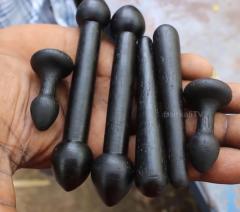 kuththukkattaikal
-
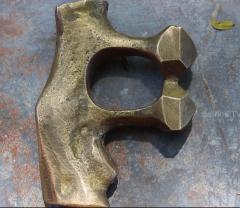 iru muzhi.jpg
-
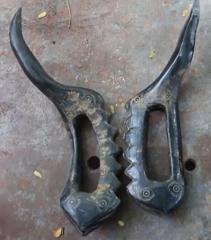 erumaikkompu.jpg
-
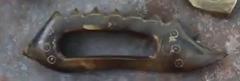 erumaikkompu..jpg
-
 irular weapons.jpg
-
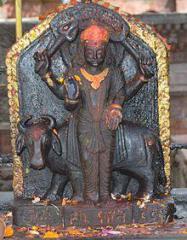 half moon weapon.jpg
-
 aamarak kaththi.png
-
 paazhaik kaththi.png
-
 erikampu.jpg
-
 main-qimg-f64641ffbe33ef462b59d8b24d84340c-pjlq.jpg
-
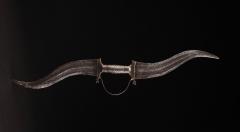 main-qimg-f969d1e6ae31cfd6fd48ab133e2bf852.jpg
-
 main-qimg-f145a0bc2a226d315b4041f932c40740.jpg
-
 main-qimg-f71e0bfb21343e8829ac7d5afec6de0b.jpg
-
 main-qimg-f23b3285a5214c82c7be7d40f02f243b-lq.jpg
-
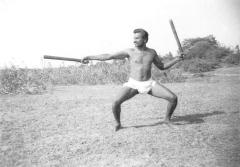 main-qimg-efbc472bfa6cf6cfb7b6e1a01d4e3e5f.jpg
-
 main-qimg-e69c10c66a5f96cdd421ab658557dbe9-pjlq.jpg
-
 main-qimg-def922f4461a1d61235cf6d48d4db0f7.jpg
-
 main-qimg-ded13f663bde0f6081a5421dbfdded9f-pjlq.jpg
-
-
From the album: Different types of boats used by Tamils historically
-
-
இந்தியா தீட்டிய நாச திட்டங்களும் அவை தமிழரின் பார்வையிலும்: புலிகளின் காலத்தில் நடந்த வாதங்கள்:
-
முன்னாள் விடுதலைப் போராட்ட வீரனின் வாக்குமூலம்: திலீபனின் உண்ணாவிரதத்தின் முன் முல்லை மாவட்டத்தில் வெலிஓயா சிங்களக் குடியேற்றத்தையும், சிங்கள ஊர்காவற்படையினரின் அட்டகாசத்தை நிறுத்த மக்கள் போராடினார்கள். இப்போராட்டம் மன்னாரில் நடக்கும்போது இந்திய ராணுவத்தால் ஒரு தமிழ் பொதுமகன் சுட்டுக் கொல்லப்பட்டார். அதன் பின்னர் புளொட் இயக்கத்தினரால் (இந்தியா வளர்த்த கூலிப்படை) கப்டன் தனம் என்ற புலி இயக்கப்போராளி வவுனியாவில் கொல்லப்பட்டார். இதை இந்திய இராணுவம் தடுக்கத் தவறிவிட்டது. இதன் பின் லெப். கேணல் திலீபனின் நியாயமான 5 அம்சக் கோரிக்கைகளையும் நிறைவேற்றத் தவறியமை குமரப்பா, புலேந்திரன் உட்பட 12 போராளிகளையும் கொழும்புக்கு அனுப்ப முற்பட்டமை இவற்றால்தான் இப் போர் ஏற்பட்டது.
-
மக்களே, இத்திரியில் இந்திய-தமிழீழப் போர் மூள முன்னர் இந்தியப் படைகள் எமது மண்ணில் செய்த நாச வேலைகள் அனைத்தையும் பதியுங்கள். அடுத்த தலைமுறைக்கு வரலாறு சொல்லிச் செல்ல வேண்டும்.
-