


.jpg.e72237624df7c7661de9dab07f0b55d2.jpg)

நன்னிச் சோழன்
-
Joined
-
Last visited
Everything posted by நன்னிச் சோழன்
-
-
.jpg.fed4eb853771a7543505e7bc03a46133.jpg)
From the album: என்னுடைய ஆவணத்திற்கான படிமங்கள்
-
.jpg.680ec3f2666f1eb4da6ad539e61904ae.jpg)
From the album: என்னுடைய ஆவணத்திற்கான படிமங்கள்
-
From the album: என்னுடைய ஆவணத்திற்கான படிமங்கள்
-
Full document:
-
Indegenousla produced ied (2).jpg
-
Indegenousla produced ied (1).jpg
-
indegenous + international.jpg
-
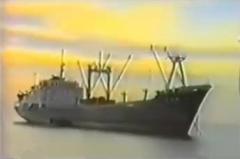 Mo Ran Bong.jpg
-
.jpg.0001cbe90aeb590c21004a8de986a5b2.jpg) Mo Ran Bong crew being brought to shore (2).jpg
Mo Ran Bong crew being brought to shore (2).jpg
-
.jpg.244af14f38a3c244553eb57eb9a00011.jpg) Mo Ran Bong crew being brought to shore (1).jpg
Mo Ran Bong crew being brought to shore (1).jpg
-
.jpg.85df570470b9e19c09ecd92166eb1dfc.jpg) Mo Ran Bong (2).jpg
Mo Ran Bong (2).jpg
-
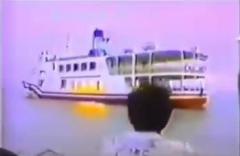 Mison.jpg
-
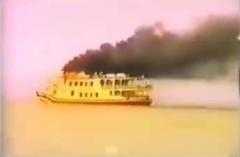 mison after fire.jpg
-
.jpg.3d27d904c9923b725fb3bb52233d3b6d.jpg) Mison (4).jpg
Mison (4).jpg
-
.jpg.9e60fd64e9c8dd56c40d0f9bb166def0.jpg) Mison (3).jpg
Mison (3).jpg
-
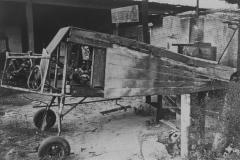 digitally improved image by Nane Chozhan.jpg
-
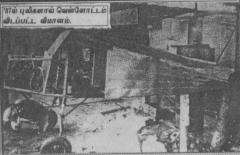 First aircraft - but failed to fly, as per Time.jpg
-
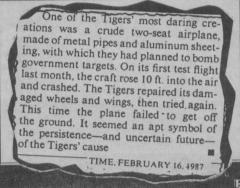 time enna.jpg
-
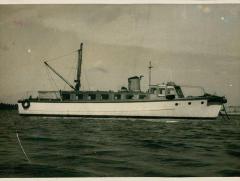 The Nagapooshani Boat - 60.5.31.jpg
-
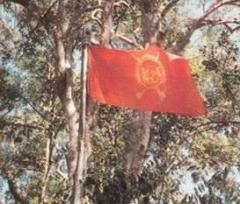 early flag of TE.jpg
-
 lights and flags on top of the Wave Rider class vessels.jpg
-
.jpg.d69a43cc82bf762307fc5de5d224756e.jpg) equipments from the Wave Rider class Inthumathi gunboat of ltte (7).jpg
equipments from the Wave Rider class Inthumathi gunboat of ltte (7).jpg
-
.jpg.3fcf8919bf52eae38676b6c0969e28ac.jpg) equipments from the Wave Rider class Inthumathi gunboat of ltte (6).jpg
equipments from the Wave Rider class Inthumathi gunboat of ltte (6).jpg
-
.jpg.71533c4f64331302ce1990c3b23fddad.jpg) equipments from the Wave Rider class Inthumathi gunboat of ltte (5).jpg
equipments from the Wave Rider class Inthumathi gunboat of ltte (5).jpg
-
-
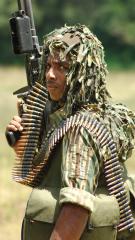
From the album: தமிழீழ விடுதலைப் புலிகளின் படிமங்கள் | Tamil Tigers images
-
"சந்தன வாசம் வீசிய தேசம் கந்தகம் பூசியதே! - எங்கள் தாயக பூமி வாசலில் எங்கும் சாவொலி கேட்கிறதே!" --> வாகையின் வேர்கள்
-
IMRAN PANDIAN REGIMENT - with Vector SS-77
-
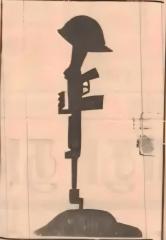 First Uruthiyin Uraividam symbol
-
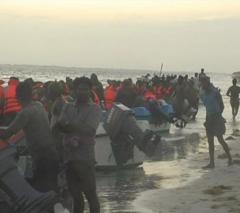 Allaipitti Landing- Img date; 2006.08.10 evening .jpg
-
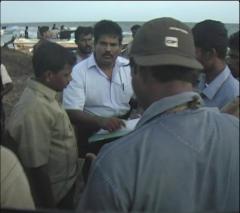 Allaipitti Landing- Img date; 2006.08.10 evening 2.jpg
-
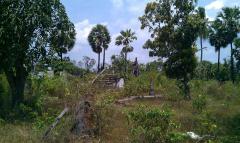 செபஸ்தியார் கோவில், ananthapuram
-
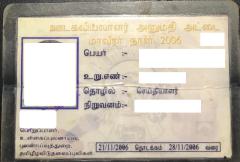 maaveerar varam - suren karthikesu.jpg
-
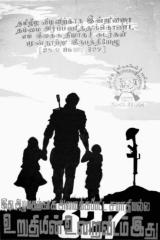 posters.jpg
-
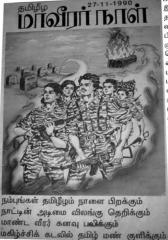 poster.jpg
-
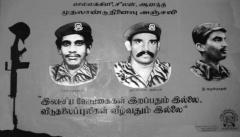 hh.jpg
-
 dwqdw.jpg
-
 dwedw.jpg
-
 dsadsa.jpg
-
 img_2_1766157291474.jpg
-
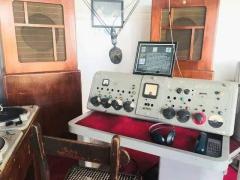 புலிகளின் குரல் வானொலி.jpg
-
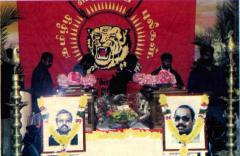 sadas.jpeg
-
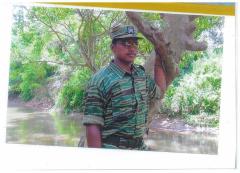 scs.jpg
-
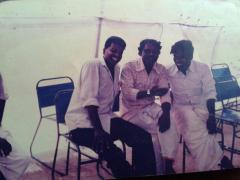 dw.jpg
-
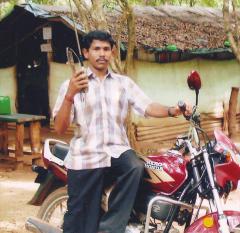 adw.jpg
-
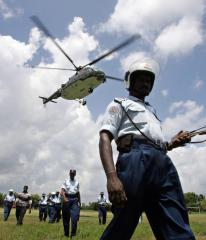 tamil eelam police.jpg
-
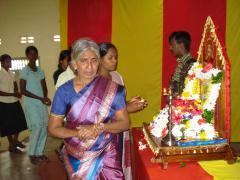 captian in.jpg
-
-
இயக்கத்தின்ர தமிழ் மக்கட்பெயர் அகராதியில் தேடிப் பாருங்கள்.
-
From the album: என்னுடைய ஆவணத்திற்கான படிமங்கள்
-
From the album: என்னுடைய ஆவணத்திற்கான படிமங்கள்
-
From the album: என்னுடைய ஆவணத்திற்கான படிமங்கள்
-
From the album: என்னுடைய ஆவணத்திற்கான படிமங்கள்
-
From the album: என்னுடைய ஆவணத்திற்கான படிமங்கள்
-
From the album: என்னுடைய ஆவணத்திற்கான படிமங்கள்
-
From the album: என்னுடைய ஆவணத்திற்கான படிமங்கள்
-
From the album: என்னுடைய ஆவணத்திற்கான படிமங்கள்
-
.png.3da946a72da04383fd4ea9afcbbac9c6.png)
From the album: பண்டைய தமிழரின் ஆயுதங்கள் & படைக்கலன்கள்
-
முழு ஆவணம்:
-
Adichchanalloor (3).png
-
.png.1dbeb1f6c5e1f72222ec78d76ae035df.png) Adichchanalloor (2).png
Adichchanalloor (2).png
-
.png.b6496cacc90cc8df52982bd3aece5ce5.png) Adichchanalloor (1).png
Adichchanalloor (1).png
-
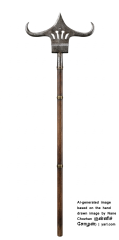 AI-Image generated by Nane Chozhan based on the actual polearm.jpg
-
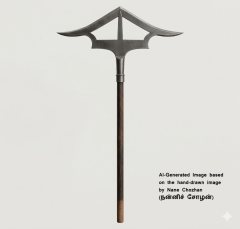 AI-Generated Image of a Polearm by Nane Chozhan.png
-
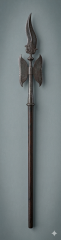 AI enhanced Polearm image - original is given above. Image generated by Nane Chozhan based on the actual polearm.jpg
-
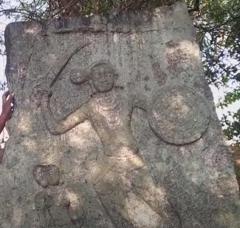 said to be 600 years old - In the western part of the mango grove located behind the school in Agraharam village, near Krishnagiri - show off one sided sword.jpg
-
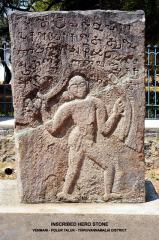 vellore museum.jpg
-
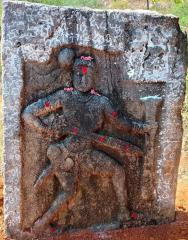 மாதனூர- படைக்கலன் = வாள் & தண்டம்.jpg
-
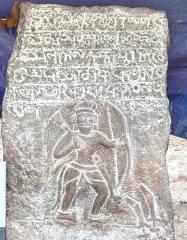 இளவம்பாடி நடுகல் கல்வெட்டு.jpg
-
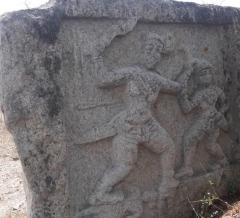 poovaalai sivan kovil, pennaakaram vattam, tharmapuri - kipi 1335.jpg
-
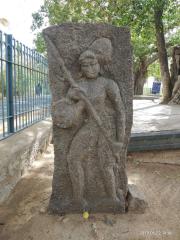 Polearms- meelpaadi, vellore.jpg
-
.jpg.1538fae2dd850b3d89fa83c32e6fbef2.jpg) chandrapuram (2).jpg
chandrapuram (2).jpg
-
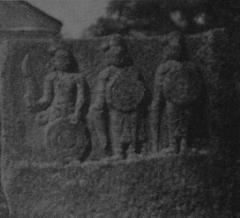 செஞ்சி வட்டத்தில் உள்ள மேல் ஒலக்கூரின் வடக்க சாலை.
-
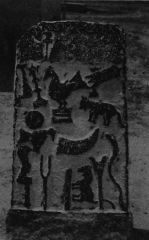 கரூர் மாவட்டம், குளித்தலை வட்டம், கோட்டைப்பாடி கிராமத்தில் கோட்டை மேட்டுக்கருகிலுள்ள பெரிய கண்மாய் கரையில் பகவதி அம்மன் கோயிலுக்குக்கருகில் நடப்பட்டுள்ள தனிக்கல். ad 10-11 cent - Copy
-
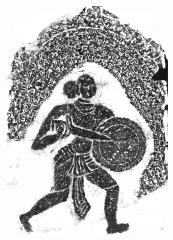 ஊர் வேப்பநத்தம், வட்டம் அரூர், மாவட்டம் தருமபுரி - Copy.jpg
-
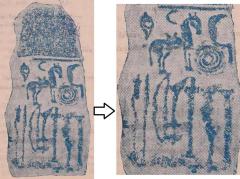 நாகை நல்லூர் வணிகக் கல்வெட்டு - 10th centuary.jpg
-
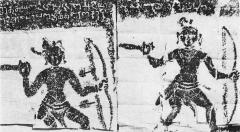 kothandam type bow - வடஆர்க்காடு அம்பேத்கார் மாவட்டம், குடியாத்தம் வட்டம், வங்கட்டூர்.jpg
-
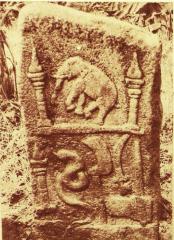 info not available.jpg
-
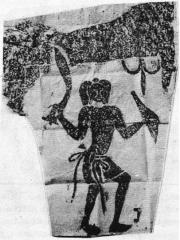 விழுப்புரம் மாவட்டம்| found: இராமசாமி படையாச்சியார்,.jpg
-
-
From the album: பண்டைய தமிழரின் ஆயுதங்கள் & படைக்கலன்கள்
-
From the album: பண்டைய தமிழரின் ஆயுதங்கள் & படைக்கலன்கள்
-
சரியான காசு தான்.... ஆதலால் தான், கை பொருத்தினாக்கள் குறைவோ, என்ன?
-
பகிர்வுக்கு நன்றி... சின்ன சந்தேகம்: ஒரு கை செய்ய 30,000-35,000 யூரோ வா இல்ல 35000 ரூபாய் ஆ ஐயனே
-
நல்ல வரலாற்று ஆவணம். நன்றி கவி ஐயனே
-
அது ஏனைய வலைத்தளங்களுக்கு மட்டுமே... யாழ் ஒரு கருத்துக்களம் (forum) ... செய்தி வலைத்தளங்களிலிருந்து இது வேறுபட்டது. மேலும் இணையவன் கூறுவதும் சரியே
-