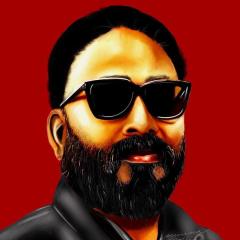
இது ஒரு தீபாவளிக் கதை: பாவம் நரகாசுரன்
-பேராசிரியர் சி. மௌனகுரு
நாளைக்குத் தீபாவளி. அடிக்கடி நண்பர்களும் மாணவர்களும் தொலைபேசியில் வாழ்த்துகளைத் தெரிவிக்கிறார்கள். அனைவரும் மகிழ்ச்சிகரமாக இருகிறார்கள் போலத் தெரிகிறது. கொண்டாட்டம் என்பது மகிழ்ச்சிதானே? மகிழ்ச்சியாக எல்லோரும் இருப்பதைத்தானே நாம் விரும்புகின்றோம்.
மட்டக்களப்பில் நான் பிறந்த காலங்களில், அதாவது 1940களில், இற்றைக்கு 77 வருடங்களுக்கு முன்னர், தீபாவளியை யாரும் கொண்டாடவில்லை. நாங்களும் வீட்டில் இதைக் கொண்டாடியதாக ஞாபகம் இல்லை. எமக்கு அன்று கொண்டாட்டம், சித்திரை மாதப் புதுவருடம் தான். அன்று தான் எங்கள் வீட்டில் பலகாரம் சுடுவார்கள்.
முதல் நாளிரவு நான்கைந்து குடும்பங்கள் சேர்ந்து பலகாரம் சுட்டு, அதனைத் தமக்குள் பகிர்ந்து கொள்வார்கள். குடும்பங்களின் விழா அது; கிராமங்களின் விழா அது
புது உடுப்புகளை, காலையில் முதலில் தென்னம்பிள்ளைகளுக்கு உடுத்திவிடச் சொல்லுவார் அம்மா. தென்னம்பிள்ளைகள் அணிந்த உடுப்பைத்தான் நாம் பின்னர் அணிவோம். இயற்கையை நேசித்த மனிதர்கள்; அன்றைய சித்திரை நாள், எங்களுக்குப் பெரும் கொண்டாட்ட நாள்.
தைப்பொங்கலும் கொண்டாட்ட நாள்தான். அதனை விவசாயிகள் கொண்டாடுவர். ஏனையோரும் வீட்டில் பொங்கி மகிழ்வர். ஆனால், சித்திரை வருடமளவுக்கு அது, அன்று பெரும் கொண்டாட்டமில்லை. சின்னவயதில் தமிழ்நாட்டிலிருந்து கல்கி தீபாவளி ஆண்டுமலர், ஆனந்தவிகடன் தீபாவளி ஆண்டுமலர் எனச் சில மலர்கள் வரும். அவற்றின் மூலம்தான் தமிழகத் தீபாவளி எமக்கு அறிமுகமாகியதாக ஞாபகம்.
அதன்மூலம்தான் தலைத்தீபாவளி, கங்காஸ்னானம், அத்திம்பேர், தீபாவளிச்சீடை முறுக்கு, குடும்பிவைத்து பூணூல் போட்ட தாத்தாமார், மடிசார் வைத்த பெண்கள் எனப் பல தீபாவளி சார்ந்த சமாச்சாரங்கள் சிறுவயது மனதில் படிய ஆரம்பித்தன. தீபாவளிச் சிறுகதைகள் வேறு, இவற்றை மனதில் அழுத்தின.
நரகாசுரனைச் சத்தியபாமா துணையுடன் கிருஸ்ண பகவான் அழித்த கதையும் எம்மனதில் வேரூன்றியது. சற்றுவளர்ந்த பின்னர், 15ஆவது வயதில் திராவிடக் கழகக் கருத்துகளுக்கு அறிமுகமானபோது, நரகாசுரன் என்ற திராவிட குலத் தலைவனை, ஆரியனாகிய கண்ணன் அழித்த கதை எமக்கு அறிமுகமானது.
நரகாசுரன் என்பவன் நரன்; அதாவது மனிதன். அசுர என்பதன் அர்த்தம், சுரன் அல்லாதவன். சுரர் என்றால் தேவர். தேவர்கள் என அழைக்கப்பட்ட ஆரியர்கள், சுரபானம் எனும் மதுவை அருந்தியதால் சுரர் என அழைக்கப்பட்டனர். திராவிடர்கள் ஒழுக்க சீலர்கள்; மதுஅருந்தாதோர். ஆகவே, அசுரர் என்றால் சுரம் அருந்தாதோர் என்பது அர்த்தம் (அ+ சுரம்) என்ற விளக்கங்களைத் திராவிடக்கழக நூல்கள் தந்தபோது, இளைஞரான நாம் அதனால் ஈர்க்கப்பட்டோம்.
இவற்றையெல்லாம் தாண்டி, மெல்லமெல்ல தமிழகத் தீபாவளி, தமிழ்ப் பண்பாட்டுக்குள் புகத்தொடங்கி, சித்திரை வருடத்துக்கு அடுத்த பெரும் கொண்டாட்டமாக இடம்பெறலாயிற்று.
1960களில் பேராதனைப் பல்கலைக்கழகத்தில் படித்துக் கொண்டிருந்த காலத்தில், எமக்கு தமிழ் இலக்கியங்கள், இலக்கணங்கள், சமணப் புலவர்களின் தனிப்பாடல்கள் என்பன அறிமுகமாகின. அவர்கள் பிராமண மதத்துக்கும் வைதீக மதத்துக்கும் எதிரானவர்கள்; நால்வகைப் வருணப் பாகுபாட்டை விரும்பாதவர்கள்; மக்கள்பால் நின்றவர்கள்; தமிழ்நாட்டில் பெரும் தாக்கத்தை அன்று எற்படுத்தியவர்கள் என்ற விவரங்களும் சமணத் தலைவரான மகாவீரர், ஸ்தாபித்த சமணமதம் அதன் தத்துவங்கள் என்பனவும் அறிமுகமாகின.
இவற்றை எமக்கு அறிமுகம் செய்தவர்கள் பேராசிரியர்களான கணபதிப்பிள்ளை, வித்தியானந்தன், கைலாசபதி, வேலுப்பிள்ளை ஆகியோராவர். கைலாசபதி வகுப்பில் தொடர்ச்சியாகச் சமண தத்துவத்தை எமக்கு விளக்கினார். வேலுப்பிள்ளையும் தமிழ்ச் சமணம், தமிழ்ப் பௌத்தம் பற்றி ஆராய்ந்து எமக்குக் கூறினார்.
இதன் காரணமாக, சமண மகாஞானியான மகாவீரர் மீது ஒரு மதிப்பு உண்டானது. பேராசிரியர் கணபதிப்பிள்ளையின் வகுப்புகள் வெகுசுவராஸ்யமானவை. சிரித்துக்கொண்டு கதையோடு கதையாகப் பல ஆழமான விடயங்களை எளிமையாகக் கூறிசெல்வார். ஒருநாள், அவர் எங்களுக்குப் படிப்பித்துக் கொண்டிருக்கையில், “உந்தத் தீபாவளி எப்படி வந்தது என்று தெரியுமோடா”? என்று கேட்டார்.
நாங்கள் நரகாசுரன் கதையைக் கூறினோம். “அதெல்லாம் புழுகடா. சமண மதத்தின் தலைவரான மகாவீரர் சமாதி அடைந்த நாளை நினைவு கூரப் பல தீபங்களை ஏற்றி வைத்து, சமணர் கொண்டாடிய சமண விழாவை, சைவர்கள் தம்வசப்படுத்திக்கொண்ட கதை தாண்டா தீபாவளி. அதற்காக உருவாக்கப்பட்ட கதைதான் நரகாசுரன்கதை” என்றார். சைவம், சமண மதத்திலிருந்து பல விடயங்களைத் தன்வயப்படுத்திச் சைவமாக்கிக் கொண்டது என்பதற்கு நிறைய உதாரணங்கள் கூறி, இதுவும் அதில் ஒன்றடா என்றார்.
எங்களுக்கு வியப்பு அதிகமாயிற்று. தீபாவளியின் மூலம் பற்றி பேராசிரியர் வேலுப்பிள்ளை கூட, தனது நூலில் ஒரு கட்டுரை எழுதியமை ஞாபகம் வருகிறது.
காலங்கள் பல கடந்து விட்டன....
இன்று 2020ஆம் ஆண்டு,
இன்று, வடக்கு-கிழக்கு தமிழர் பிரதேசங்களில் தீபாவளி பெரும் கொண்டாட்டம். நரகாசுரனை அழித்த கதை, பாடசாலைகளிலும் சமயச் சொற்பொழிவுகளிலும் சர்வசாதாரணமாகச் சொல்லப்படுவதாயிற்று. அரசியல்வாதிகளும் ஆட்சியதிகாரத்தில் உள்ள பெரும்தலைவர்களும் சமயத் தலைவர்களும் நரகாசுரன் ஒழிந்த நாள் என்றே மக்களுக்கு வாழ்த்துத் தெரிவிக்கின்றனர். நரகாசுரனுடன் தீபாவளி இணைக்கப்பட்டுவிட்டது; பெரும் சமயக் கொண்டாட்டம் ஆகிவிட்டது. இக்கொண்டாட்டத்தை இனி மக்களிடமிருந்து பிரித்துவிட முடியாது. காரணங்கள் பல;
ஒன்று, இது ஒரு பெரும் சமய விழாவாகி விட்டது.
இரண்டு, இது ஒரு பெரும் கொண்டாடமாகிவிட்டது. கொண்டாட்டம் ஆனமையால் மக்கள் கூடுதல், அதனால் கிடைக்கும் பெருமகிழ்ச்ச்சி, ஒருவருக்கொருவர் மகிழ்ச்சி தெரிவித்தல் என்ற மனிதகுலம் விரும்பும் அடிமனநல்லியல்புகள் இதில் உள்ளன.
மூன்று, பெரும் வணிக நிறுவனங்களின் இலாபம், இக்கொண்டாட்டத்தில் அடங்கியுள்ளது. உடுப்புகள், பட்டாசு, பலகார வகைகளுக்கான மூலப்பொருள் வியாபாரம் என்பன இதில் அடங்கும்.
நான்கு, கோவில் வருமானம், பூசகர் வருமானம் என்பன இன்னொருபுறம் உள்ளன.
ஐந்து, பத்திரிகைகளின் தீபாவளிமலர் வருமானம், மற்றொரு புறம் உள்ளது.
ஆறு, தொலைக்காட்சி போன்ற ஊடகங்களின் இடைவிடாத கருத்தேற்றமும் அவை, அவற்றால் அடையும் பெருவருமானமும் இன்னொரு புறம் உள்ளது.
ஏழு, அதனை விரும்பி ஏற்றுப் புகழ்பெறச் செல்லும் நமது கலைஞர்களும் அறிஞர்களும் இன்னொரு புறம் பெருவாரியாகக் காணப்படுகின்றார்கள்.
எனவே, தீபாவளியைக் கொண்டாட வேண்டாம் என எப்படிச் சொன்னாலும் அக்கொண்டாட்டத்தை இலகுவில் போக்கிவிட முடியாது. அது, இந்து மக்கள் கொண்டாட்டமாகி விட்டது.
கொண்டாட்டங்களை மிகவும் வரவேற்கும் பின் நவீன சிந்தனையாளர்களை நாம் காண்கிறோம். மக்கள் இணைகிறார்கள்; மக்கள் மகிழ்கிறார்கள் என அவர்கள் கொண்டாட்டங்களுக்கு ஒரு புது வியாக்கியானம் அளிக்கிறார்கள். ஆனால், கொண்டாட்டங்களுக்குப் பின்னால் மறைந்து கிடக்கும் சுரண்டலையும் பேதங்களையும் மறக்க வைக்கும் போதைநிலையையும் அவர்கள் தோலுரித்துக் காட்டுவதில்லை.
தீபாவளியைக் கட்டுடைத்துப் பார்க்கலாம்; அதன் அதிகாரம் எங்கிருக்கிறது என்று பார்க்கலாம்; தீபாவளிக் கதை கூறும் நரகாசுரன் கதைப் பிரதியைக் கட்டுடைத்துப் பார்க்கலாம்.
இவை யாவும் ஒரு புலமைத்துவ இன்பப்பயிற்சியுமாகும் (Intelectual pleasure excersise).
தீபாவளி அன்றுபோல் இன்றில்லை. நிறைய மாறி விட்டிருக்கிறது. இன்னும் மாறும்; இடையில் வந்து மாட்டிக்கொண்டான் நரகாசுரன்; பாவம் நரகாசுரன். அவனுக்கு ஆழ்ந்த அனுதாபங்கள்.
http://www.tamilmirror.lk/சிறப்பு-கட்டுரைகள்/இது-ஒரு-தீபாவளிக்-கதை-பாவம்-நரகாசுரன்/91-258874